From Ramen Alley to politics of care: encountering Ainu heritage in Hokkaido
When I stepped off the plane at New Chitose Airport in Hokkaido, I was greeted by a gust of cold air. Suddenly thrust into this cooler climate, first thing that came to my mind was… ramen. I recalled an episode of Anthony Bourdain from many years before, when he paid a visit to “Ramen Alley” in Sapporo, Hokkaido’s largest city, to immerse into the truly iconic culinary experience there. Following his path, I discovered the region’s distinct ramen traditions - steaming broths with local seafood, miso, bean sprouts, pork, butter, and even corn. Yet food was only the first layer of discovery. In that same episode, Bourdain also visited a small Ainu restaurant in Shiraoi. It was the first time I had heard about the Ainu, Indigenous people of Hokkaido who have been subjected to marginalization and discrimination for a long time. In Europe, we often learn of Japan through narratives of cultural pride or heritage preservation. Confronting Japan’s contemporary Indigenous struggles disrupted that image.
My purpose to visit Hokkaido was rather clear. I stepped out of the plane there not only as a visitor, but also as a researcher. I was eager to conduct all relevant steps that would allow me to investigate the preservation of Ainu heritage and the impact of the 2019 Ainu Policy Promotion Act. My aim was to examine how this landmark legislation functions in practice: through naked legal frameworks, museums, tourism infrastructure, and, most importantly, Ainu voices themselves.
During my stay I met with academics, cultural workers, activists, and residents. I encountered institutions that, for better or worse, shaped cultural memory of Ainu by curating heritage spaces, ecotourism landscapes, and national parks. What emerged was a deeper understanding of the ambivalence of “care” in the cultural sector and the urgent need for Indigenous-led heritage governance, not replicating settler colonial logics. During my stay I consulted with legal experts on the jurisprudential tensions between cultural nationalism and minority rights. Discussions provided not only deep historical context but also insight into the ongoing community struggles for cultural representation and ownership. Visit at the UPOPOY National Ainu Museum and Park in Shiraoi being a flagship institution under the 2019 law was particularly revealing for me. Despite its modern facilities and ambitious programs, there are still voices questioning whether UPOPOY empowers Ainu cultural autonomy, or does it rather transform their traditions into sanitized narratives for tourism?

As Charlotte Woodhead emphasised true legal “care” of the heritage protection must be respectful, dialogic, and empathetic, rather than paternalistic or state-controlled. In Hiroshi Maruyama’s texts I found a critique of settler-colonial policy frameworks which led me to combine those approaches to analyse how “heritage” can be weaponized as a depoliticizing tool. The 2019 Act, while on a one hand a step forward in recognition, continues to frame the Ainu as objects of state stewardship rather than agents of cultural and legal autonomy. The Act does not meaningfully address land restitution, fishing rights, or co-governance. Instead, it privileges tourism and “revitalization” largely on state terms. It seems to mostly use “heritage” recognition to neutralize Indigenous struggles, making them appear cultural (safe, symbolic, folkloric) rather than political (about power, rights, or sovereignty).
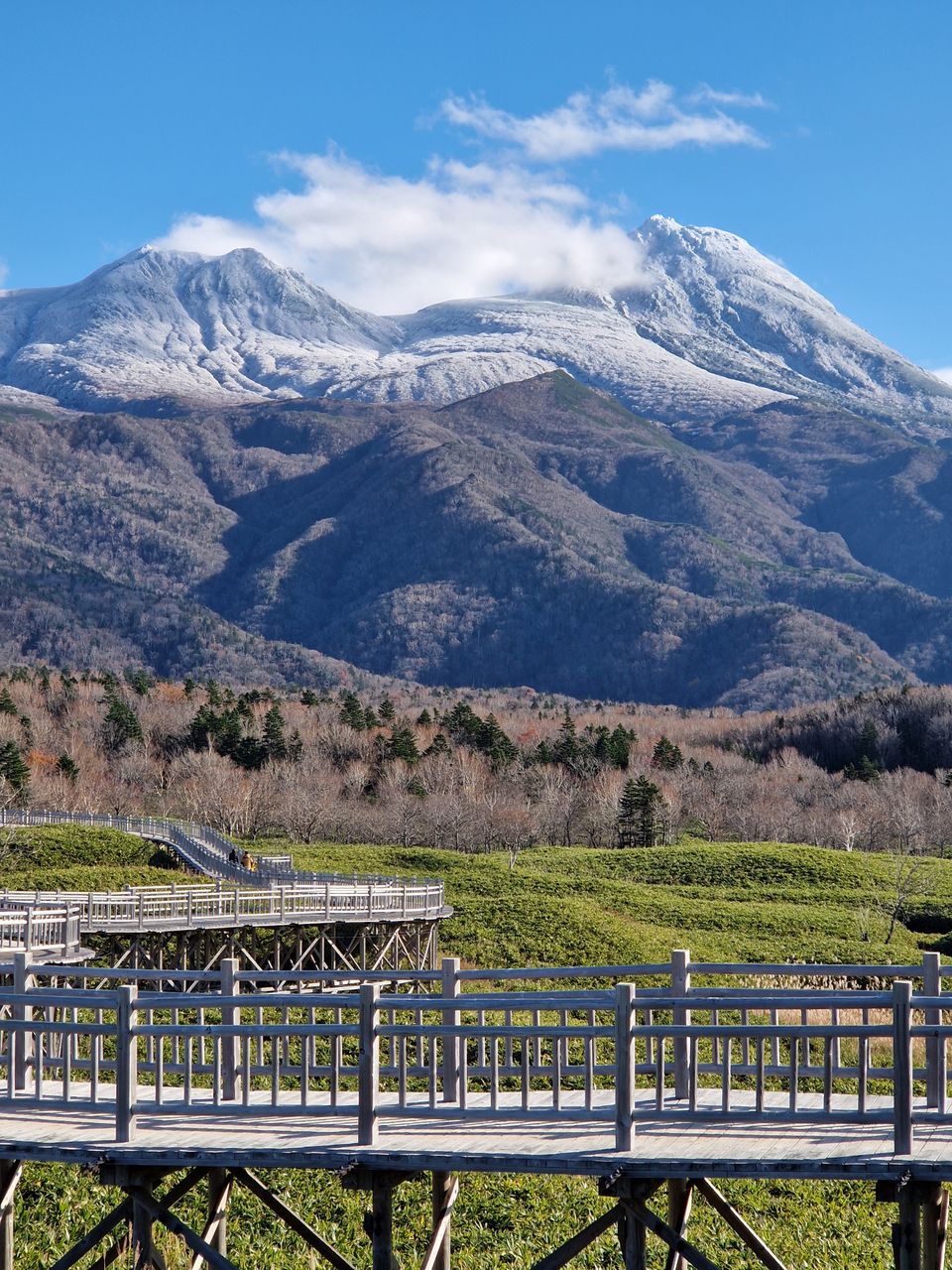
Very powerful and complicated part of the fieldwork unfolded in Shiretoko National Park, a UNESCO World Heritage site in northeastern Hokkaido. Designated in 2005, it was described in the Japanese government’s nomination documents as an untouched natural treasure. However, what was not acknowledged in the application, was the deep Ainu presence, history, and ontology there.

As many academics, especially Ann-Elise Lewallen, have shown, such symbolic erasure is an example of the settler colonial logic of elimination. Even that some action has been undertaken to manage conservation and preservation of one element of local heritage, it only works because the land has been abstracted from its Indigenous stewards. Furthermore, cases where local fishers often resist claims to water and land rights, caught within capitalist imperatives of resource management. This raises another question: can ecotourism, even when Indigenous-led, escape the logic of commodification?
My fieldwork reaffirmed a central concern: that the current legal framework, while acknowledging cultural diversity, does not seem to support cultural sovereignty. Ainu people are encouraged to ‘express’ their heritage, but within state-sanctioned formats, often for external consumption. It leads to replacing active rights with mostly symbolic inclusion. Therefore, a new model is needed, one grounded in reciprocity, memory, and justice.

Traveling across Hokkaido geographically from west to east, conceptually from law to ethics, I came to see that the 2019 Ainu Law operates less as an emancipatory statute and more as a framework for regulated visibility. Ainu culture is “cared for” so long as it does not challenge ownership, territory, or national identity.