Global Conversations, Local Commitments: Decolonising Futures in Okinawa
Hiroshi Maruyama, Founder and Director of CEMiPoS
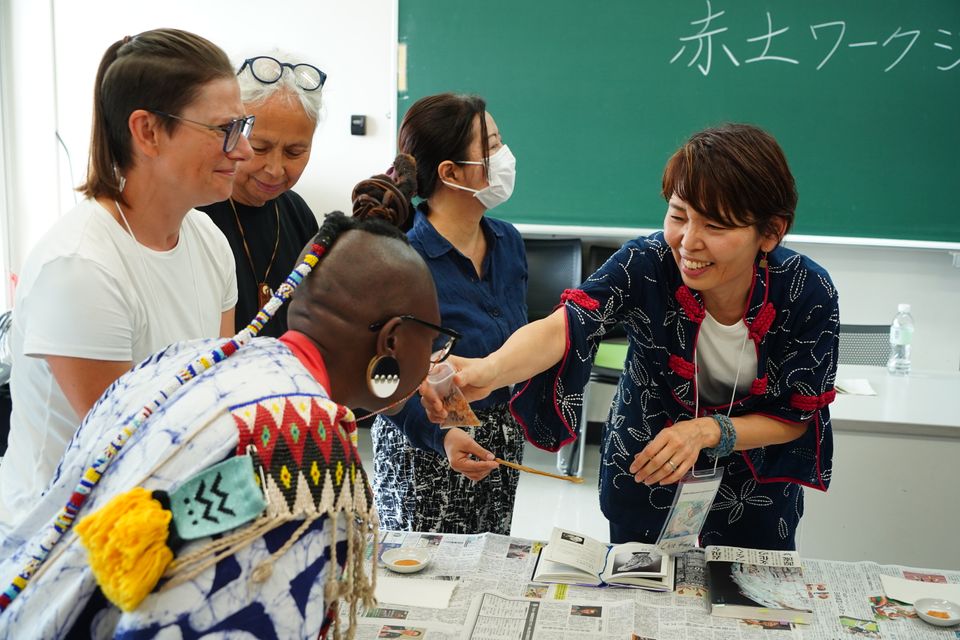
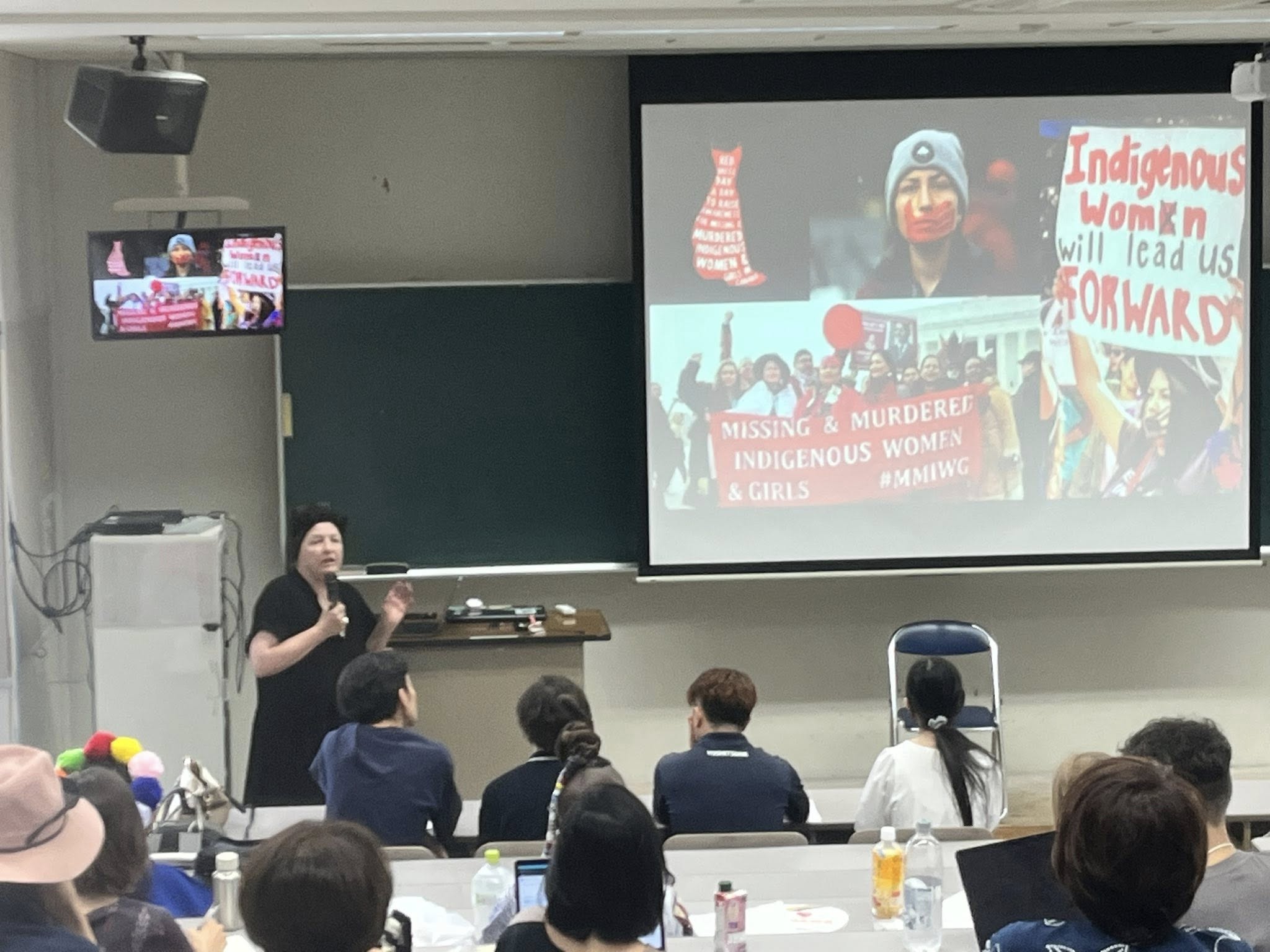
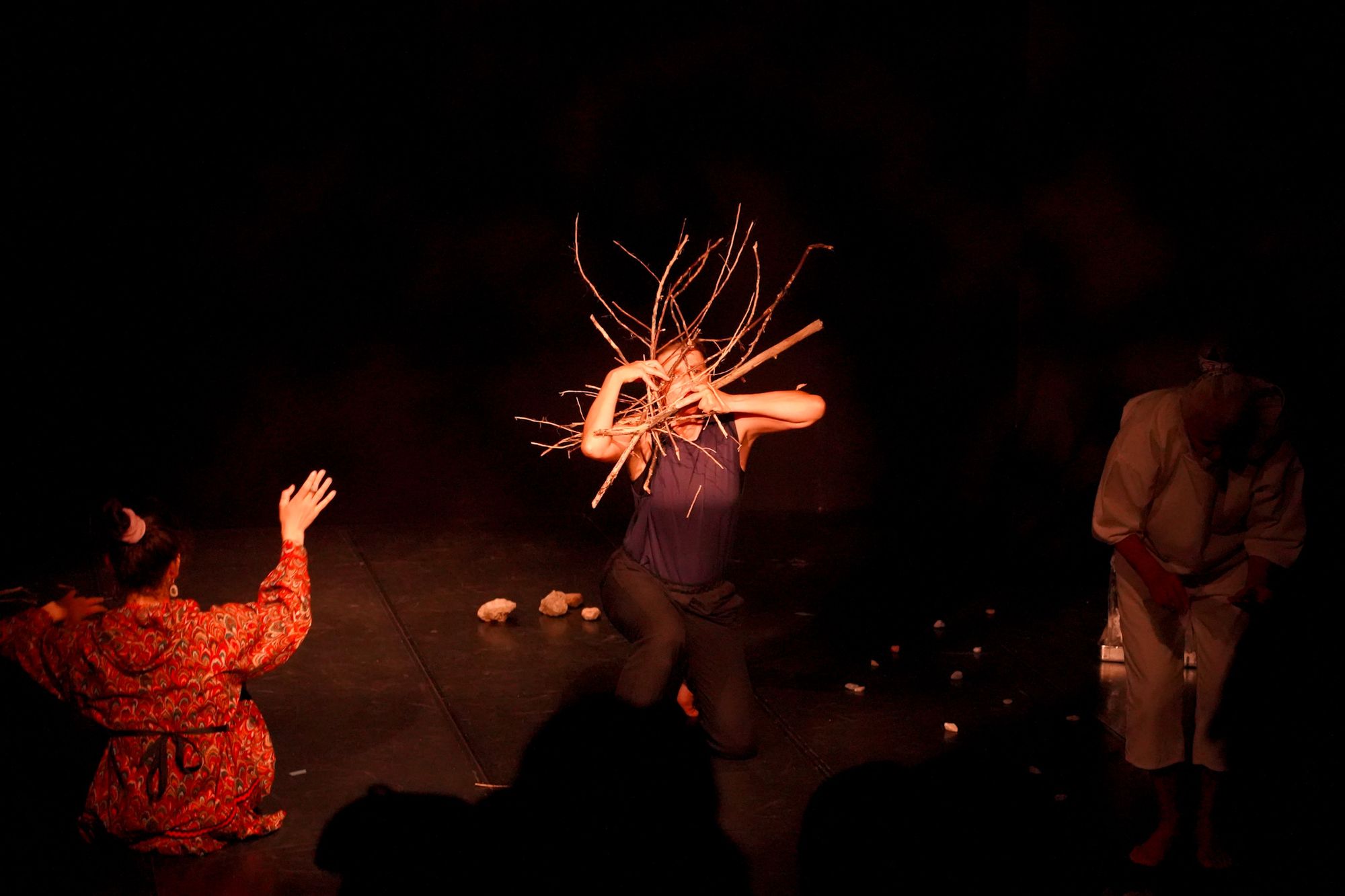
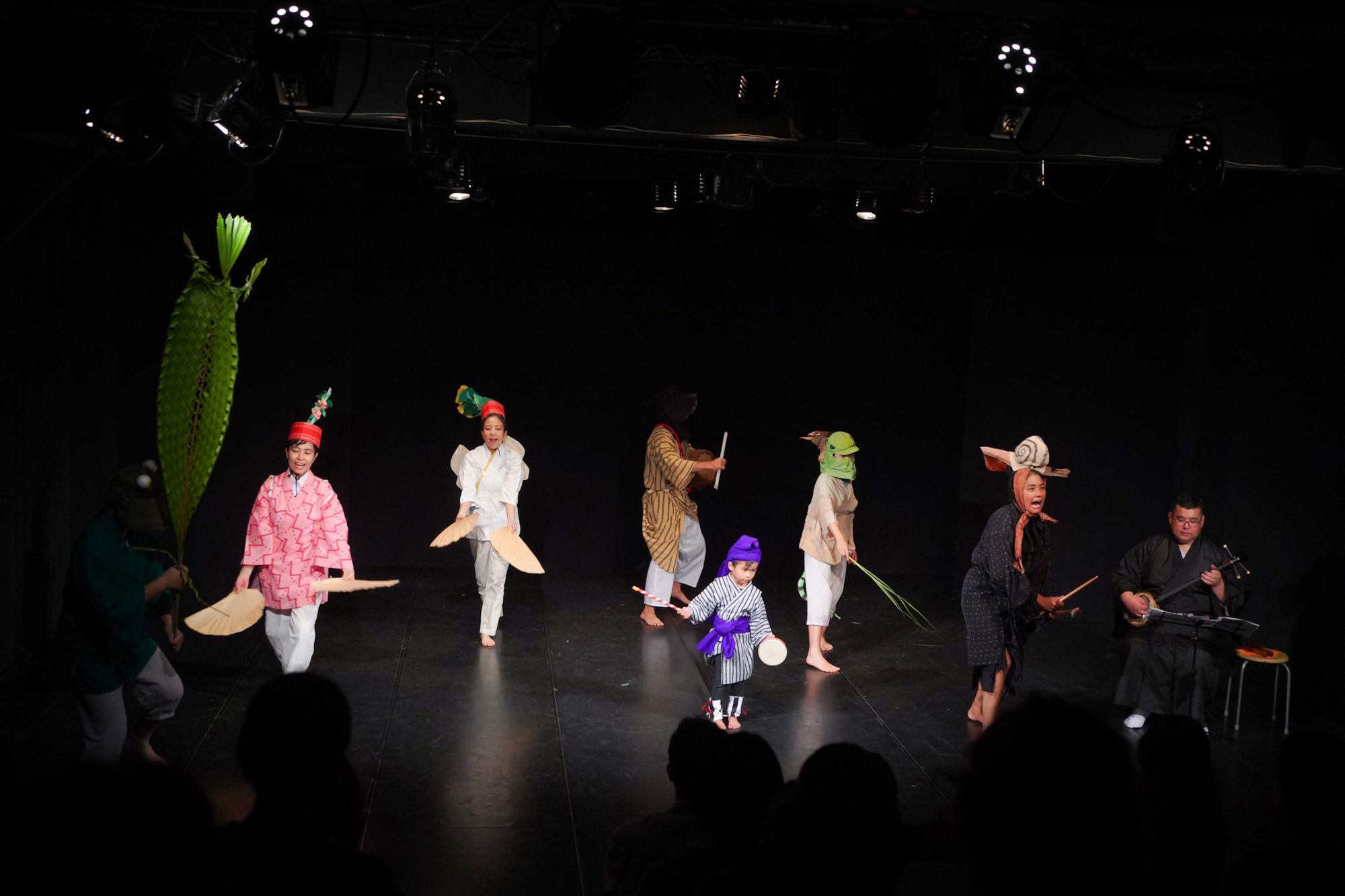
It has been more than a week since the final international and interdisciplinary seminar: Decolonising Futures in Okinawa began. Time flies! Firstly, I would like to thank everyone who participated in the seminar. In particular, I would like to thank the international and local artists: Amareya Theatre & Guests, Antonie Frank, Tomas Colbengtson, Higaza Theatre, Chie Kyan, and Kengi Takara, for making the seminar such a special event. Many thanks also go to the young members of the organising committee: Aaron Hopes, Andrea Boccardi, I-Yun Cheng and Olivia Doyle, as well as two professors from Okinawa International University: Karl Okano and Ryo Hagino, who worked hard to prepare for and run the seminar. Personally, I owed the maintenance of my health to the following CEMiPoS members: Kamrul Hossain, Carles Jornet, Seira Duncan, and Nick Overacher, as well as the medical doctor Susumu Horimoto. Finally, I would like to extend my sincere thanks to Professor Madoka Hammine for her exceptional leadership in organising the seminar from planning to execution.
In July 2025, Okinawa saw art and research come together in the pursuit of decolonising the future. The young researchers and local and international artists in particular made a strong impression on me with their energy. Furthermore, the international and interdisciplinary seminar in Okinawa was open to local citizens and activists, thus continuing the unchanging aims of CEMiPoS, as demonstrated in 'Indigenous Art Workshops & International Conference on Policy towards Indigenous Peoples: Lessons to be Learned' in Sapporo in 2017. Shortly after the seminar in Okinawa, Madoka Hammine, the seminar's principal organiser, called out to us: 'We would like to keep working on the shared interests and collaborate with you towards decolonizing futures together. Let us work and collaborate further in the future.' I am convinced that the aforementioned young researchers and local and international artists will collaborate across disciplinary boundaries to challenge the contemporary global agenda, including decolonisation. They will do so in solidarity with marginalised people and for the well-being of future generations, in response to Madoka's call.